

Get lunar phases right
Before you check a 2026 moon calendar or plan a summer ritual, you need to know the difference between a moon’s phase and its zodiac sign. They are two separate systems. The phase tracks the moon’s shape and illumination based on its position relative to the sun and earth. The sign tracks where the moon appears to sit against the backdrop of the twelve zodiac constellations.
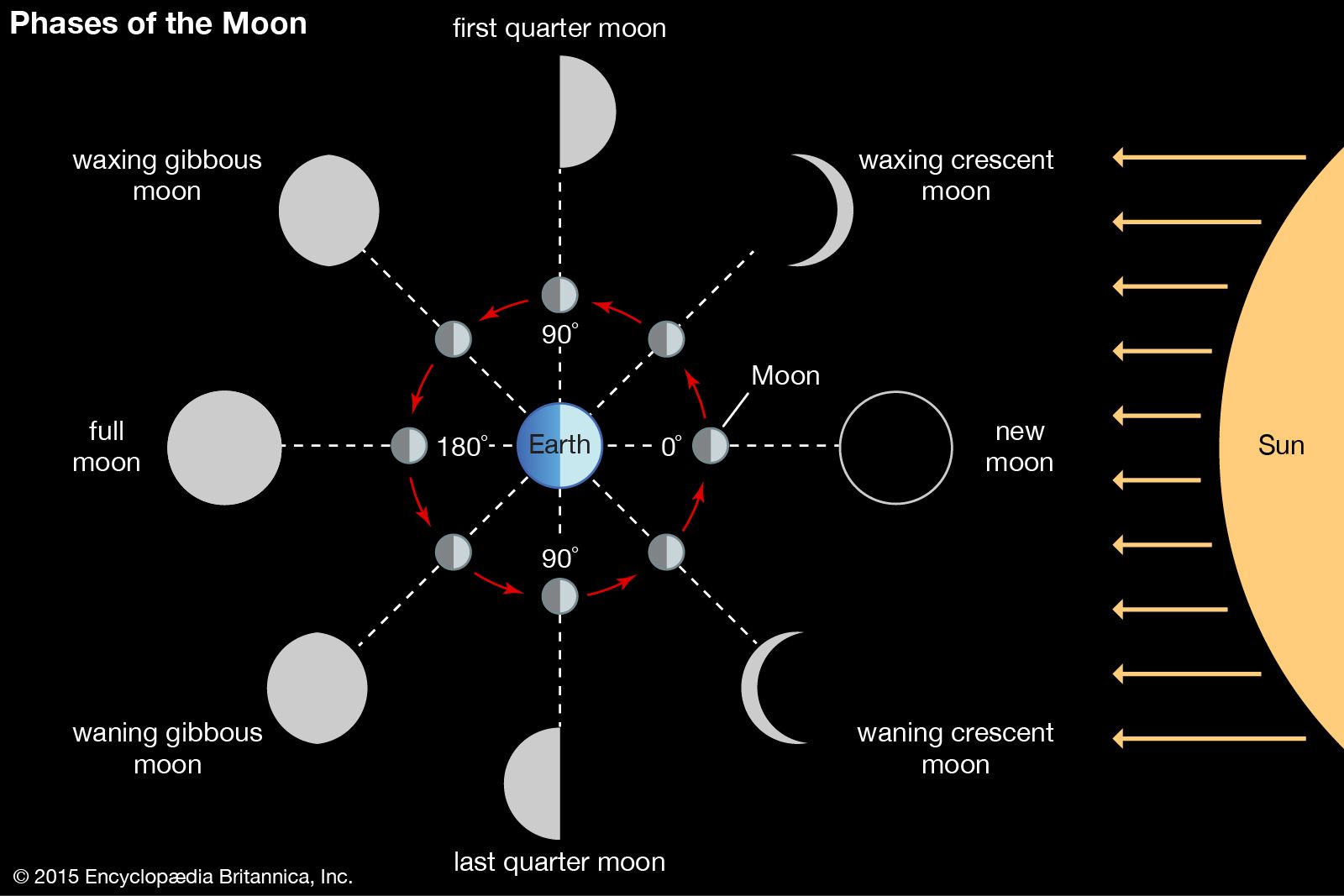
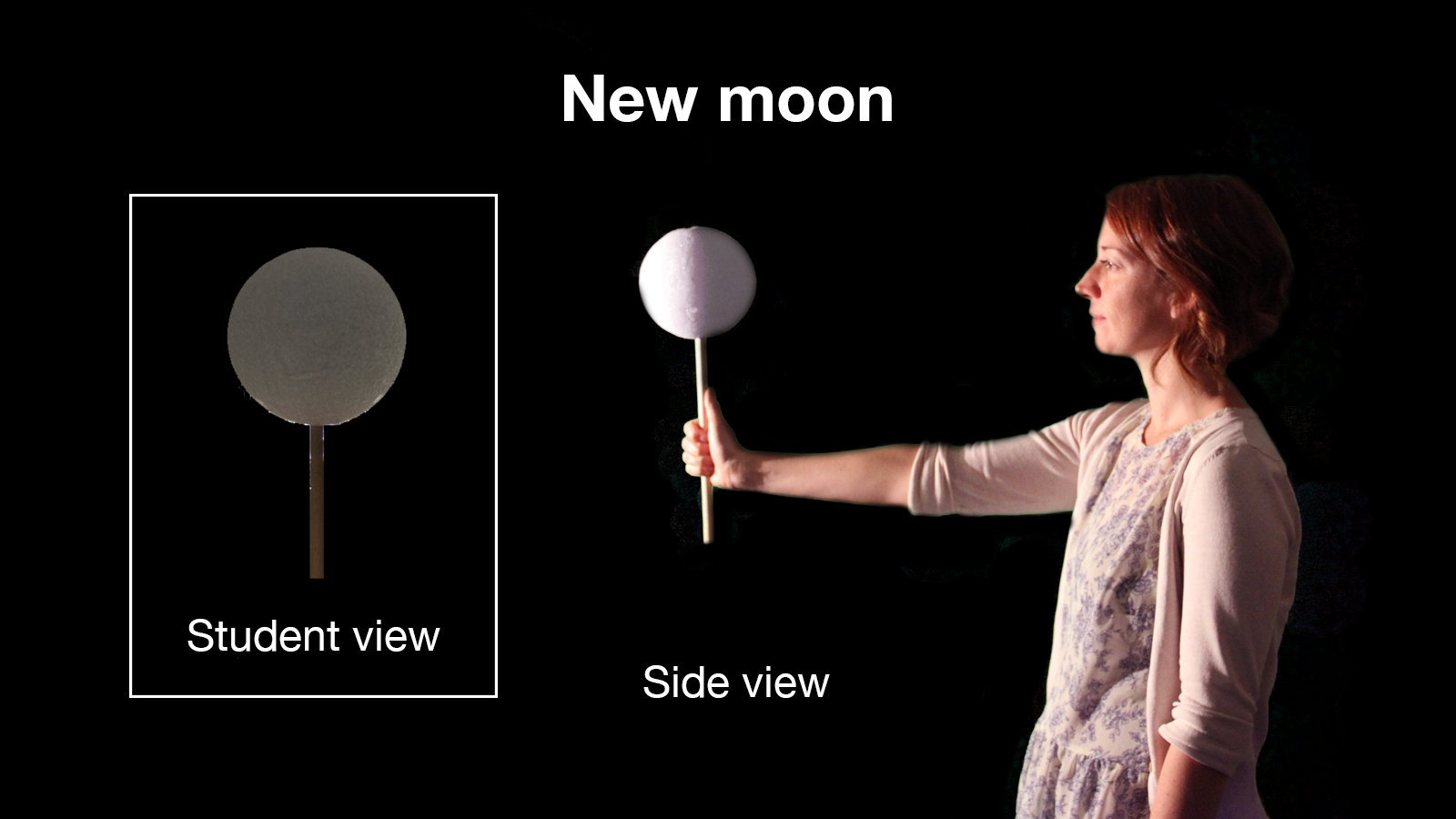
The eight lunar phases follow a strict cycle. They begin with the new moon, move through the waxing crescent and first quarter, peak at the full moon, then wane through the third quarter back to the new moon. Each phase lasts about 3.5 days. You can verify the current phase using a reliable moon calendar or astronomy app. Do not guess based on the moon’s visibility in the night sky alone, as weather and horizon obstructions can mislead you.
Moon signs shift roughly every 2.5 days as the moon orbits earth. A moon in Taurus feels steady and grounded, while a moon in Gemini feels restless. When you read a calendar, look for both pieces of data. A full moon in Scorpio is not the same energy as a full moon in Taurus. Understanding this distinction prevents you from misinterpreting lunar advice or scheduling events that clash with the moon’s actual state.
Work through the steps
Aligning your summer plans with the moon’s rhythm starts with recognizing where the moon sits in its monthly cycle. The lunar calendar follows a predictable eight-phase pattern, moving from darkness to full brightness and back again. By tracking these shifts, you can time specific activities—like starting new projects, deep cleaning, or resting—to match the natural energy of each phase.
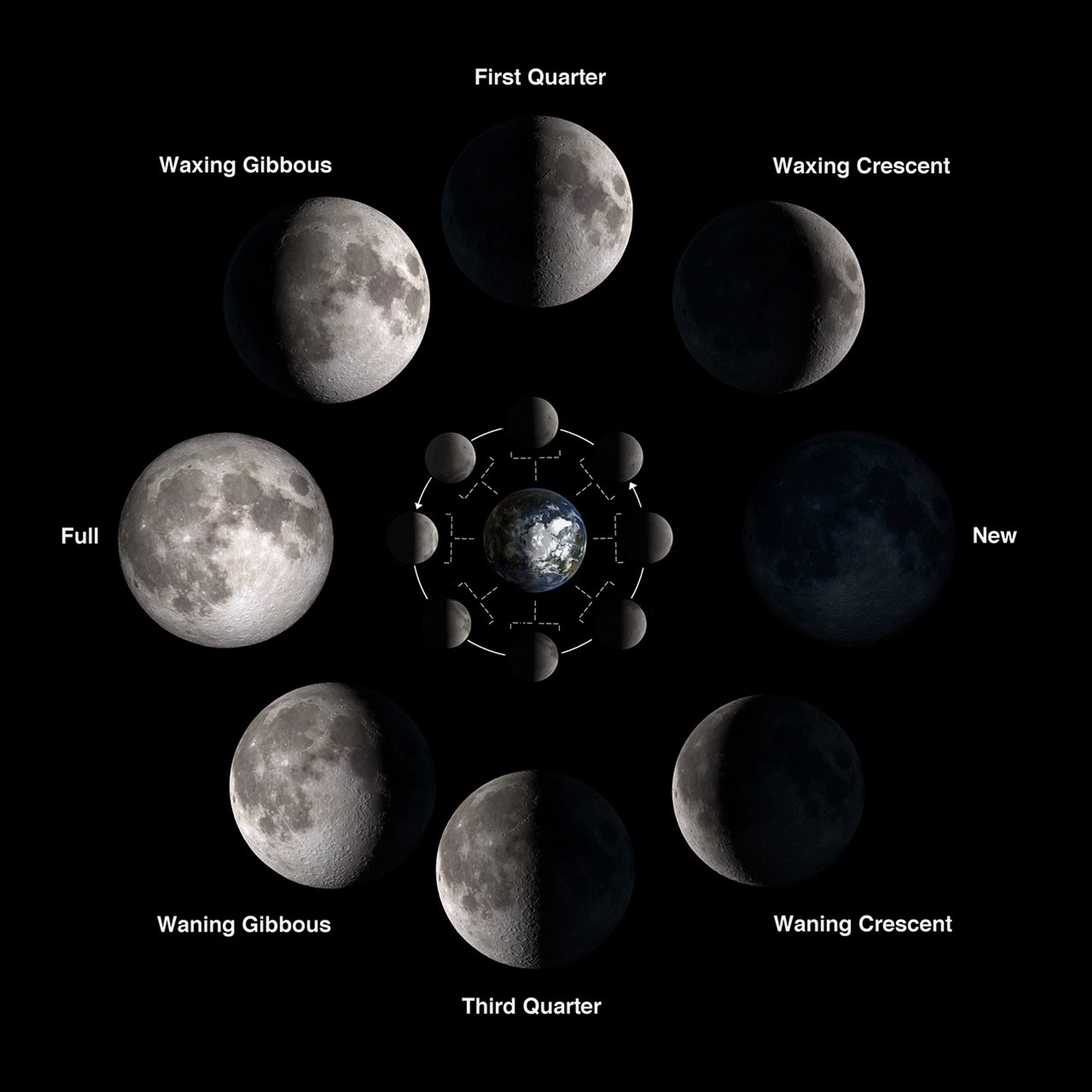
Open a reliable moon calendar or app to find today’s exact phase. The cycle consists of eight distinct stages: new moon, waxing crescent, first quarter, waxing gibbous, full moon, waning gibbous, third quarter, and waning crescent. Knowing the current phase sets the foundation for all subsequent decisions. For instance, a new moon signals a fresh start, while a full moon often brings heightened emotions or visibility.
The moon moves through twelve zodiac signs every month, spending roughly 2.5 days in each. The sign it occupies changes the flavor of the phase’s energy. A full moon in a fiery sign like Aries might encourage bold action, whereas a full moon in earthy Taurus suggests grounding and stability. Cross-reference the phase with the sign to understand whether the energy feels more active, passive, intellectual, or practical.
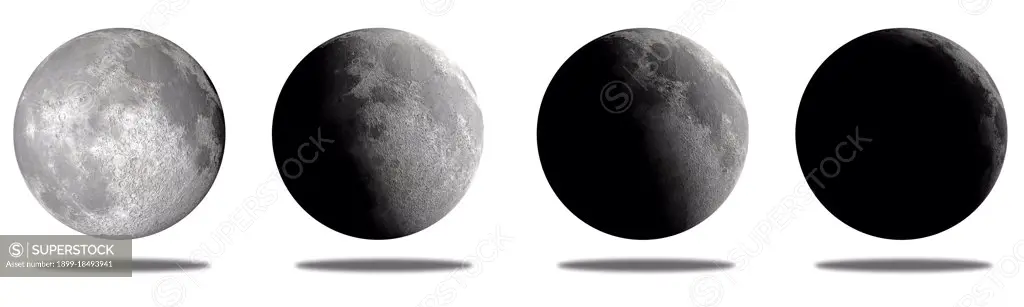
Use the phase and sign combination to guide your summer schedule. During waxing phases (new to full), the energy builds, making it ideal for launching new hobbies, social gatherings, or creative projects. During waning phases (full to new), the energy recedes, favoring reflection, cleaning, decluttering, or winding down. Aligning tasks with this flow reduces friction and makes decisions feel more intuitive.
Summer brings long days and high social activity, which can amplify the moon’s effects. A full moon in July might make outdoor events feel more electric, while a new moon in August could provide a necessary pause after a busy summer. Consider how the heat and daylight interact with the lunar cycle. For example, a new moon during peak summer heat might be the perfect time for indoor creative work rather than outdoor exploration.
After a few weeks, note what felt natural and what felt forced. Did you feel energized during a specific phase? Did certain signs bring unexpected challenges? Use these observations to tweak your approach. The moon calendar is a tool, not a rulebook. If a phase doesn’t align with your actual schedule, prioritize your practical needs while keeping the lunar rhythm in the background as a gentle guide.
-
Check today’s moon phase and sign
-
List 2-3 activities for the current phase
-
Schedule one reflection task for waning phases
-
Review monthly moon calendar for summer events
Fix common mistakes
Many people treat the moon calendar like a rigid schedule, but the lunar cycle is more like a mood ring than a stopwatch. The biggest error is assuming the phase alone dictates every decision. While the illumination percentage matters for visibility or energy, the moon’s sign in the zodiac adds a layer of texture that changes how that energy lands. Ignoring the sign leads to mismatched efforts—like trying to build structure (Capricorn) during a fluid, emotional time (Cancer).
Another frequent mistake is overlooking the speed of the moon’s transit. The moon moves quickly, changing signs every two to three days. If you plan a major event based on a sign that shifts before the day ends, you might find yourself working against the current. Always check the specific time of the sign change, not just the date. A morning Capricorn moon doesn’t guarantee a structured afternoon if the moon switches to Aquarius by noon.
Finally, don’t confuse the visual phase with the astrological influence. A full moon is visually bright and energetic, but if it’s in a water sign, the energy is internal and reflective rather than external and active. Align your actions with both the light (phase) and the temperament (sign) for the best results.
Lunar phases: what to check next
Understanding the moon’s current state helps you align summer decisions with its natural rhythm. Here are the most common practical questions about lunar cycles and their 2026 dates.
No comments yet. Be the first to share your thoughts!