
Set up your lunar tracking log
To understand moon influence on your daily routine, you need a baseline. You cannot spot subtle patterns in sleep, energy, or mood without consistent data. Start by creating a simple log that records the moon phase alongside your personal metrics. This approach shifts the focus from mystical predictions to observable changes in how your body responds to natural light cycles.
The moon affects life on Earth primarily through time, tides, and light. For humans, the light component is the most relevant to daily tracking. Recent research suggests that even small amounts of moonlight can subtly influence sleep quality and circadian rhythms. By logging your sleep hours and energy levels alongside the lunar calendar, you can identify if your body syncs with these natural shifts.
Create a spreadsheet or use a dedicated journal. Record the date, the current moon phase (waxing, full, waning, new), and three simple metrics: hours of sleep, energy level (1-10), and mood (1-10). Review this data weekly. Look for correlations between specific phases and your well-being. This practical framework allows you to adjust your routine based on evidence, not assumption.
Align work tasks with the waxing moon
The waxing phase is when the moon grows brighter each night, signaling a time for outward momentum. Traditional lunar wisdom associates this period with growth, making it the ideal window for high-energy, outward-facing work. Instead of saving your best ideas for later, schedule them now to ride the wave of perceived expansion.
1. Brainstorm and generate new ideas
Use the early waxing days for divergent thinking. This is the time to fill whiteboards, draft outlines, and explore creative possibilities without judgment. The moon’s increasing light mirrors the expansion of your mental scope. Let your ideas flow freely; you can refine them later when the moon reaches its peak.
2. Launch projects and initiate action
As the moon moves toward fullness, shift from planning to doing. Start new projects, send out cold emails, or pitch your ideas to stakeholders. The waxing phase supports initiation and visibility. Treat this period as a launchpad, pushing your work into the world while the lunar energy favors growth and expansion.
3. Engage in social and collaborative work
Schedule meetings, networking events, and team collaborations during this phase. The waxing moon is traditionally linked to social connection and community building. Use this time to strengthen professional relationships, seek feedback, and align with others. Your outward energy is amplified, making it easier to connect and influence those around you.
Adjust rest habits during the waning moon
The waning moon signals a natural shift from outward action to inward reflection. As the lunar light fades, your body’s physiological rhythms often align with this decrease in external stimulation. Research suggests that melatonin levels, which regulate sleep, may correlate with the lunar cycle, making this phase an ideal window to reset your sleep hygiene and complete lingering tasks.
Use this time to clear mental clutter. The waning phase is not for starting new projects, but for wrapping up existing ones. By aligning your routine with this celestial rhythm, you can reduce stress and improve the quality of your rest.
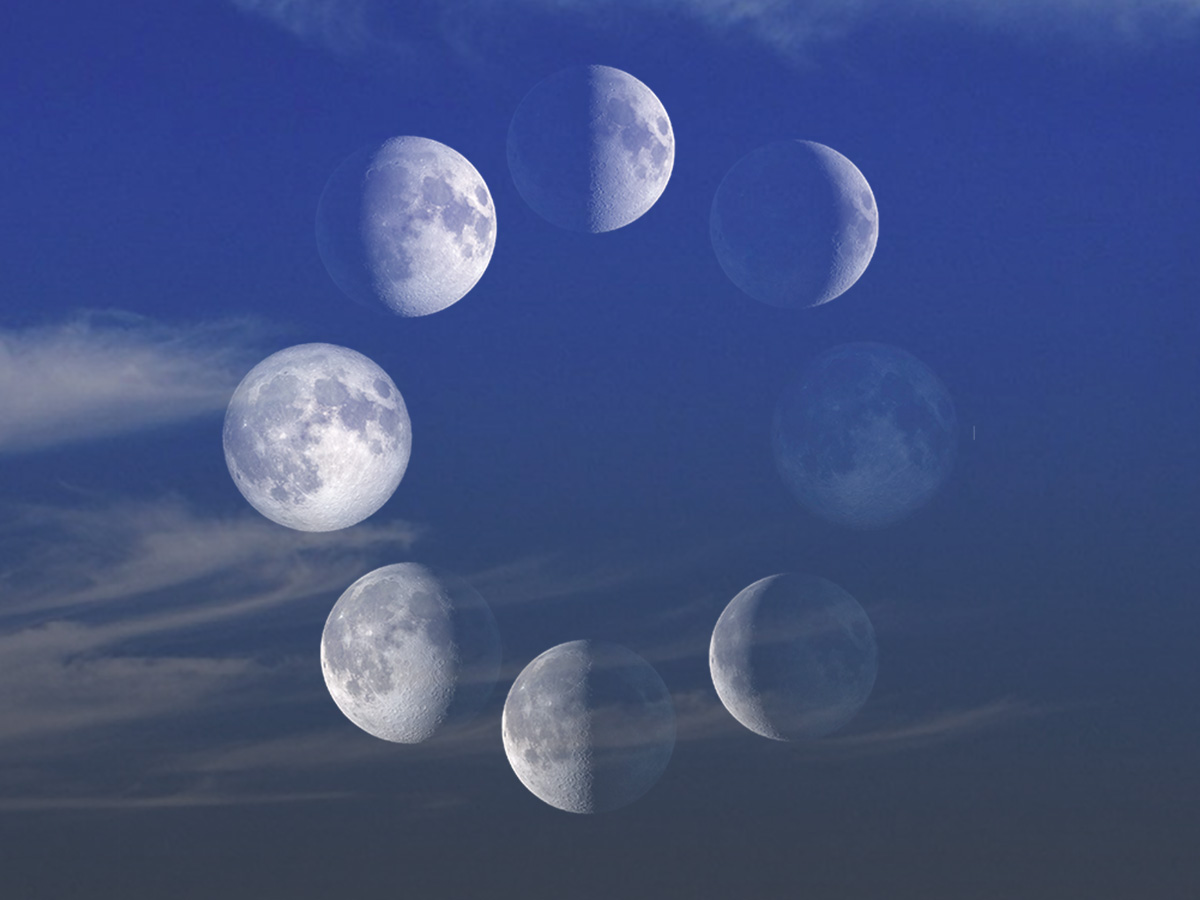
List every unfinished task or lingering worry. The waning moon supports completion, not creation. Write down what needs to be done, then take one small action to close each item. This reduces cognitive load before bed, allowing your mind to settle.
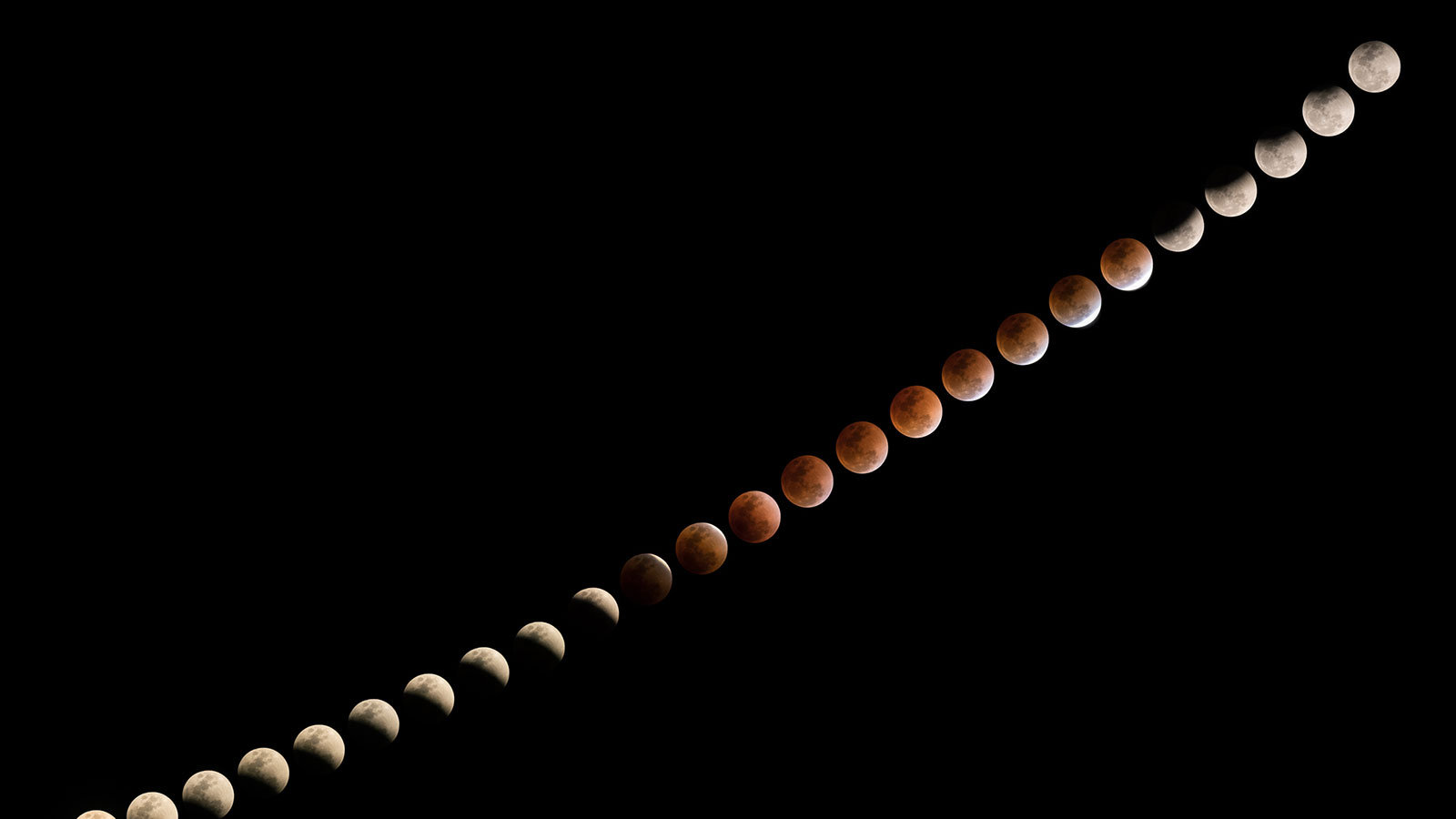
Dim your environment as the moon wanes. Blue light from screens suppresses melatonin, interfering with the sleep patterns that may already be influenced by lunar cycles. Switch to dim, warm lighting two hours before bed to signal your body that it is time to wind down.
Establish a consistent bedtime routine. The waning phase is optimal for introspection and rest. Keep your bedroom cool, dark, and quiet. Consider journaling or gentle stretching to release the day’s tension, preparing your body for deeper, more restorative sleep.
This approach leverages the natural decline in lunar energy to support your internal biology. By focusing on closure and rest, you honor the moon’s influence on your daily rhythm.
Watch for fluid balance and mood shifts
The moon’s pull moves oceans, and some theories suggest it might nudge the fluid balance in your body too. While the science is still debating the extent of this effect, paying attention to how you feel during different lunar phases can help you manage potential shifts in mood and energy.
Research has looked into the connection between lunar cycles and human physiology. A study published in Current Biology found that sleep duration and efficiency varied slightly across the lunar cycle, with melatonin levels correlating to the moon’s phases. This suggests that the moon’s influence might be more subtle than tidal forces, affecting your internal rhythms rather than your physical weight.
If you suspect the moon is affecting your fluid balance, monitor for signs like mild swelling or changes in blood pressure. These are often more closely linked to diet and hydration, but keeping a log can help you spot patterns. Similarly, mood shifts are common, but they can be amplified by the psychological expectation of lunar influence.
Instead of attributing every mood swing to the moon, focus on grounding practices. Regular sleep schedules, hydration, and stress management are proven ways to stabilize your mood and fluid balance, regardless of what phase the moon is in.
Review your monthly lunar patterns
Looking back at a month of data turns abstract moon influence into concrete self-knowledge. You are no longer guessing why you felt tired or energetic; you have the evidence to see the rhythm.
Start by grouping your entries by phase. Compare your sleep quality during full moons against new moons. Did your productivity dip when the night sky was brightest? Check if your mood or focus shifted during the waxing and waning periods. The moon impacts life on Earth through time, tides, and light, so look for correlations in your daily energy levels and rest patterns.
Don't force a connection where none exists. If the data shows no clear trend, accept that. For some, the lunar cycle is a subtle background hum; for others, it dictates their rhythm. The goal is clarity, not confirmation bias.
Common questions about moon influence
What does the moon influence?
The moon primarily influences life on Earth through three mechanisms: time, tides, and light. These factors regulate biological rhythms, from navigation in migratory birds to the sleep cycles of nocturnal animals.
Does the moon affect vertigo?
Some research suggests a link between lunar cycles and vertigo. Since the moon drives Earth’s tides through gravitational pull, it may similarly affect fluid balance in the inner ear’s vestibular system, potentially triggering symptoms in sensitive individuals.
Does the moon affect Pisces?
In astrology, Pisces is considered a water sign, making it highly receptive to lunar energy. The Waning Crescent phase, for instance, is often cited as a time when Pisces’ intuitive and dreamy nature aligns with the moon’s calming, reflective influence.
No comments yet. Be the first to share your thoughts!