

Get moon influence right
Start Why ’s Solar Eclipse Season Is Transforming Your Moon Sign Energy with the constraint that matters most in real life: space, timing, budget, skill level, maintenance, or availability. That first constraint should shape the rest of the plan instead of appearing as an afterthought. Keep the first pass simple enough to verify. Compare the main options against the same criteria, remove choices that only work in ideal conditions, and save optional upgrades for later.
The simplest way to use this section is to write down the real constraint first, compare each option against it, and choose the path that still works outside ideal conditions.
Work through the steps
The 2026 solar eclipse season acts like a pressure cooker for your Moon sign energy. Just as the moon’s gravity drives Earth’s tides, these celestial alignments amplify your emotional landscape. To navigate this period without feeling overwhelmed, you need a structured approach that grounds the intensity.
Start by checking your personal lunar calendar. The 2026 season features specific solar eclipses that interact differently depending on where your moon sign sits in the zodiac cycle. Identify if the eclipse aligns with your new moon (fresh starts) or full moon (culmination). This timing determines whether you are planting seeds or harvesting results.
Solar eclipses cast a shadow that can obscure clarity. Instead of vague wishes, write down one specific emotional outcome you want to anchor during this high-energy window. For example, "I want to feel grounded during family gatherings" is more effective than "I want peace." The shadow energy responds best to precise, actionable directives.
High emotional intensity requires a physical outlet. Dedicate 15 minutes daily to a grounding practice: walking barefoot on grass, heavy weightlifting, or deep breathing exercises. This ritual helps dissipate the excess energy the eclipse generates, preventing it from manifesting as anxiety or irritability.
During the peak days of the eclipse, the moon’s influence on your subconscious is strongest. Avoid consuming sensational news or engaging in heated debates. Replace these inputs with calming media, nature documentaries, or quiet reading. Your emotional bandwidth is temporarily reduced; protect it like a fragile resource.
Once the eclipse season concludes, review your intention. Did the grounding routine help? Note what worked and what didn’t. This reflection period is crucial for integrating the shift in your moon sign energy into your long-term emotional strategy.
This structured approach transforms chaotic energy into manageable momentum. By following these steps, you align with the celestial rhythm rather than fighting against it.
Common Mistakes in Moon Sign Energy Work
Many people treat lunar wisdom like a calendar app—checking a box and moving on. This approach misses the nuance of how the moon actually influences daily rhythms. When you rush through the 2026 solar eclipse season, you risk amplifying stress instead of finding clarity. The moon’s pull affects your tides, your time, and your light, but only if you pay attention to the details.
Here are the errors that cause poor outcomes and how to fix them.
Ignoring the Local Horizon
You cannot work with global moon data if you ignore your local sky. The moon rises and sets at different times depending on where you live. Assuming a "full moon" at midnight UTC is accurate for your evening routine is a mistake.
The Fix: Check your local sunrise and moonrise times. Align your energy work with the actual visibility of the moon in your sky, not a global timestamp.
Forgetting the Eclipse Shadow
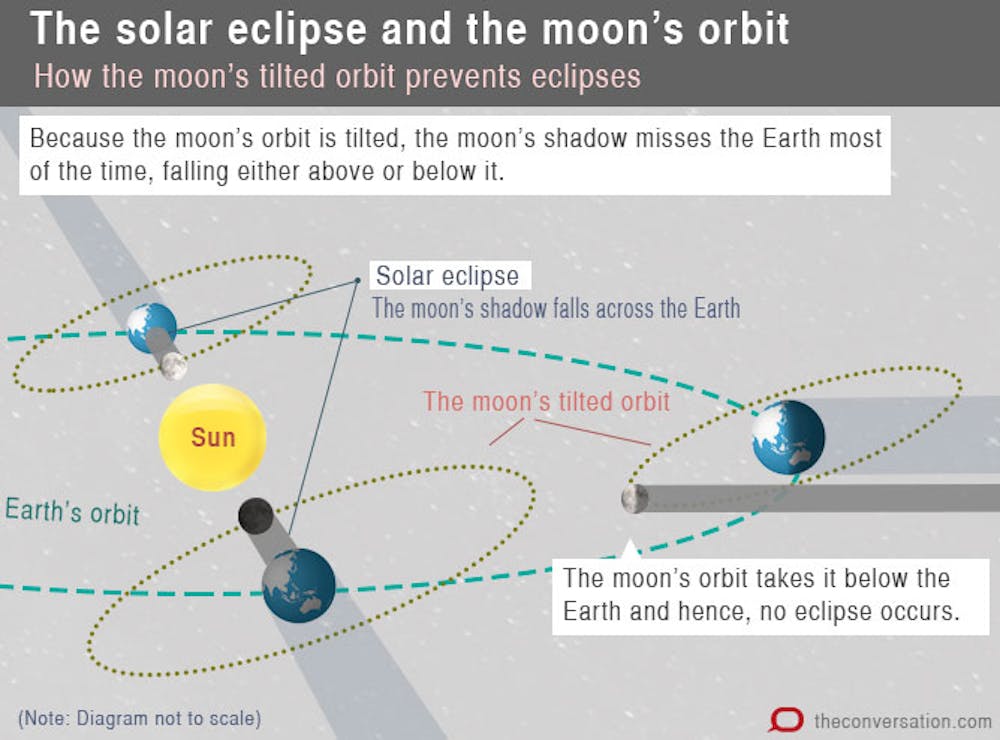
Solar eclipses cast a shadow that moves across the earth. If you try to harness energy during a total eclipse without knowing your location relative to the path of totality, you will be working with weak or indirect influence. The energy is not uniform; it is concentrated in specific bands.
The Fix: Map your location against the eclipse path. If you are outside the path, focus on the partial eclipse phases or the penumbral shadows, which still carry significant energetic weight.
Overlooking the Moon’s Phase Cycle
The moon is not just "full" or "new." It spends most of its time in waxing or waning phases. Treating every day as a high-energy event leads to burnout. The 2026 season has specific windows where the moon is in a void-of-course state, meaning it makes no major aspects before changing signs.
The Fix: Use a lunar ephemeris to identify void-of-course periods. Avoid starting new projects or intense energy work during these times. Save them for when the moon is actively moving and engaging with other celestial bodies.
Neglecting Your Personal Moon Sign
Your moon sign is your emotional baseline. It changes every two to three days. If you try to apply generic "new moon" intentions without considering your current moon sign, you might push against your natural emotional flow. For example, a Cancer moon needs nurturing, while an Aquarius moon needs space.
The Fix: Identify your moon sign for the day. Tailor your energy work to match its element. Water signs need reflection; fire signs need action; earth signs need grounding; air signs need communication.
Skipping the Post-Eclipse Integration
The energy after a solar eclipse is intense and often chaotic. Many people make the mistake of jumping straight back into their routine without processing the shift. This can lead to confusion or emotional volatility.
The Fix: Schedule a three-day integration period after the eclipse. Use this time to journal, rest, and observe how the energy settles. Do not force new initiatives until the dust has cleared.
No comments yet. Be the first to share your thoughts!