

Get your moon sign right
Before you track the 2026 lunar eclipse cycle, you need a reliable baseline for your natal moon sign. This sign reveals your automatic emotional reflexes—the instinctive reactions that happen before logic takes over. Without this foundation, the eclipses’ effects can feel vague or misattributed.
Finding this sign requires three specific details: your exact birth date, precise birth time, and birth location. The moon moves through the zodiac roughly every 2.5 days; a difference of just an hour or a few miles can shift your sign entirely. If you do not know your birth time, your moon sign calculation will be an estimate at best.
You can use a trusted moon sign calculator to determine your placement. Enter your details into a reputable calculator to see which constellation the moon occupied at the moment of your birth. This tool provides the specific data point you need to anchor your interpretation of the upcoming eclipses.
plan around the 2026 Lunar Eclipse Cycle
The 2026 lunar eclipse cycle acts as a high-voltage reset for your emotional baseline. As the moon shifts signs during these eclipses, it temporarily amplifies traits that may feel unfamiliar or intense. Rather than reacting to sudden emotional spikes, you can use this cycle to recalibrate your internal compass.
This guide walks you through the practical steps to identify your current lunar position, interpret the eclipse’s specific influence, and adjust your daily routine to align with the shifting energy. Treat the eclipse not as a disruption, but as a scheduled maintenance window for your mental and emotional health.
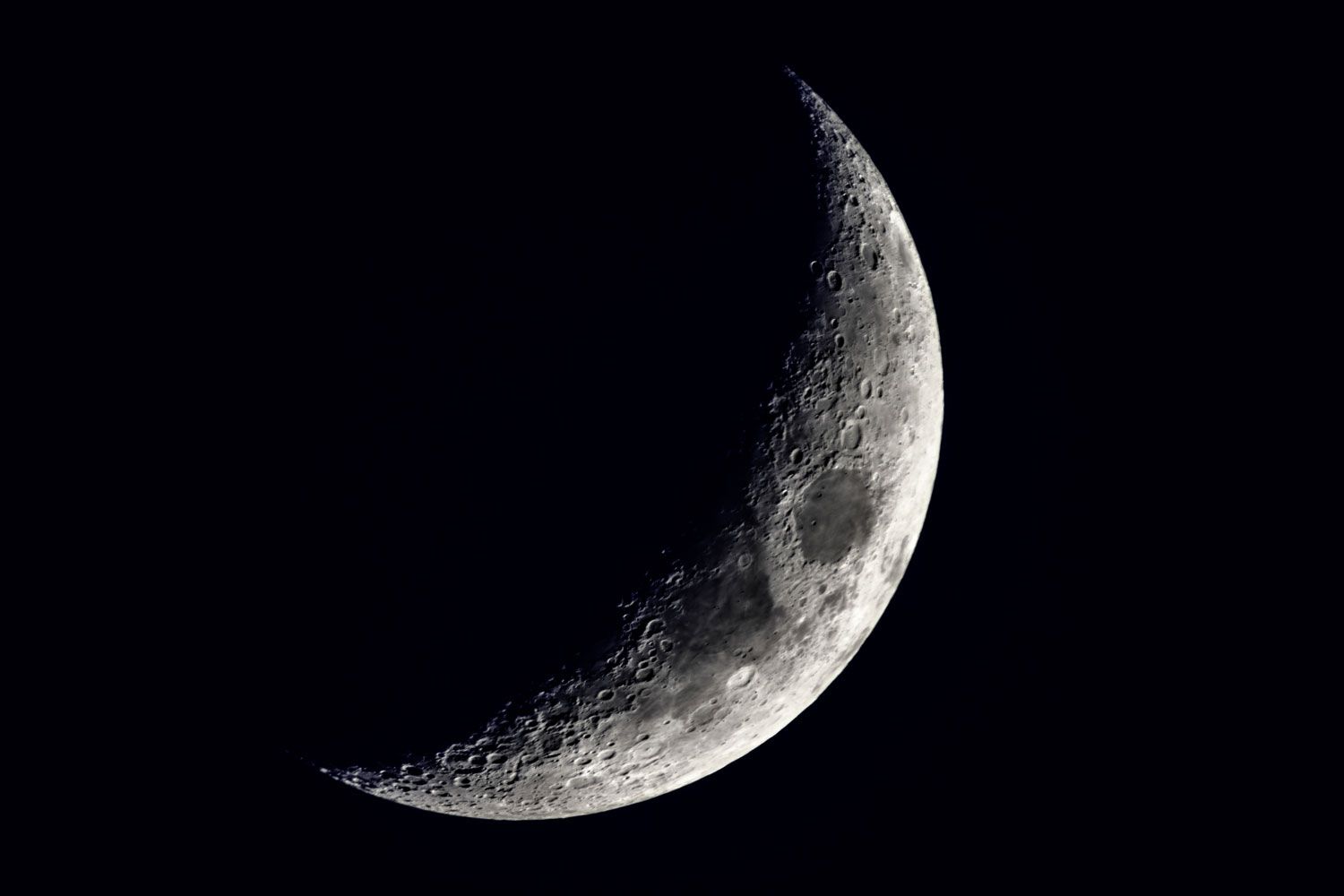
Your journey begins with your birth chart. The moon sign represents your instinctual reactions, comfort zones, and subconscious needs. If you do not know your moon sign, use a reliable moon sign calculator to determine which constellation the moon occupied at your exact moment of birth. This baseline is crucial for understanding how the 2026 eclipses will interact with your core emotional identity.

Mark the dates of the upcoming lunar eclipses on your calendar. Unlike solar eclipses, which occur during the new moon, lunar eclipses happen at the full moon, illuminating whatever is hidden in your emotional landscape. Note the specific moon sign the eclipse occurs in. This sign dictates the theme of the emotional release. For example, an eclipse in a fiery sign may trigger impatience, while one in an earthy sign may heighten anxiety about security.
During the week leading up to the eclipse, pay attention to recurring thoughts or irritations. The eclipse acts as a spotlight, bringing suppressed feelings to the surface. Do not suppress them. Instead, journal the specific emotions that feel disproportionate to your daily events. These reactions are not random; they are the moon sign’s energy interacting with your natal placement, asking for acknowledgment rather than suppression.
Once you identify the dominant emotional theme, adapt your environment to support it. If the eclipse energy feels chaotic, introduce grounding practices like walking in nature or structured meal times. If it feels expansive, allow for creative expression or social connection. The goal is not to fight the energy but to channel it constructively. Small, consistent adjustments prevent emotional burnout during the peak intensity of the eclipse.
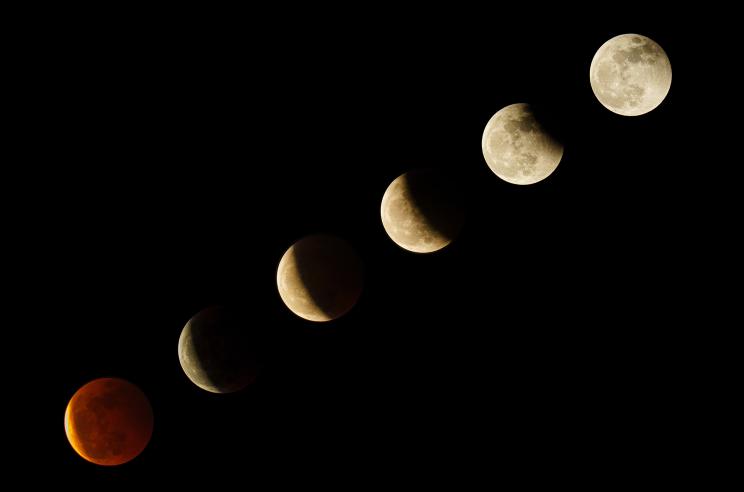
After the eclipse passes, take three days to reflect on what has shifted. Notice which emotional patterns have dissolved and which new habits have emerged. This integration phase is where the actual growth happens. Write down one actionable change you will maintain going forward. This turns the temporary eclipse energy into a lasting improvement in your emotional resilience.
-
Verify your birth time for accurate moon sign calculation
-
Mark eclipse dates on your personal calendar
-
Journal emotional reactions during the week leading up
-
Implement one grounding practice for the eclipse week
-
Review and note lasting emotional shifts after the eclipse
No comments yet. Be the first to share your thoughts!