

Track the current moon phase
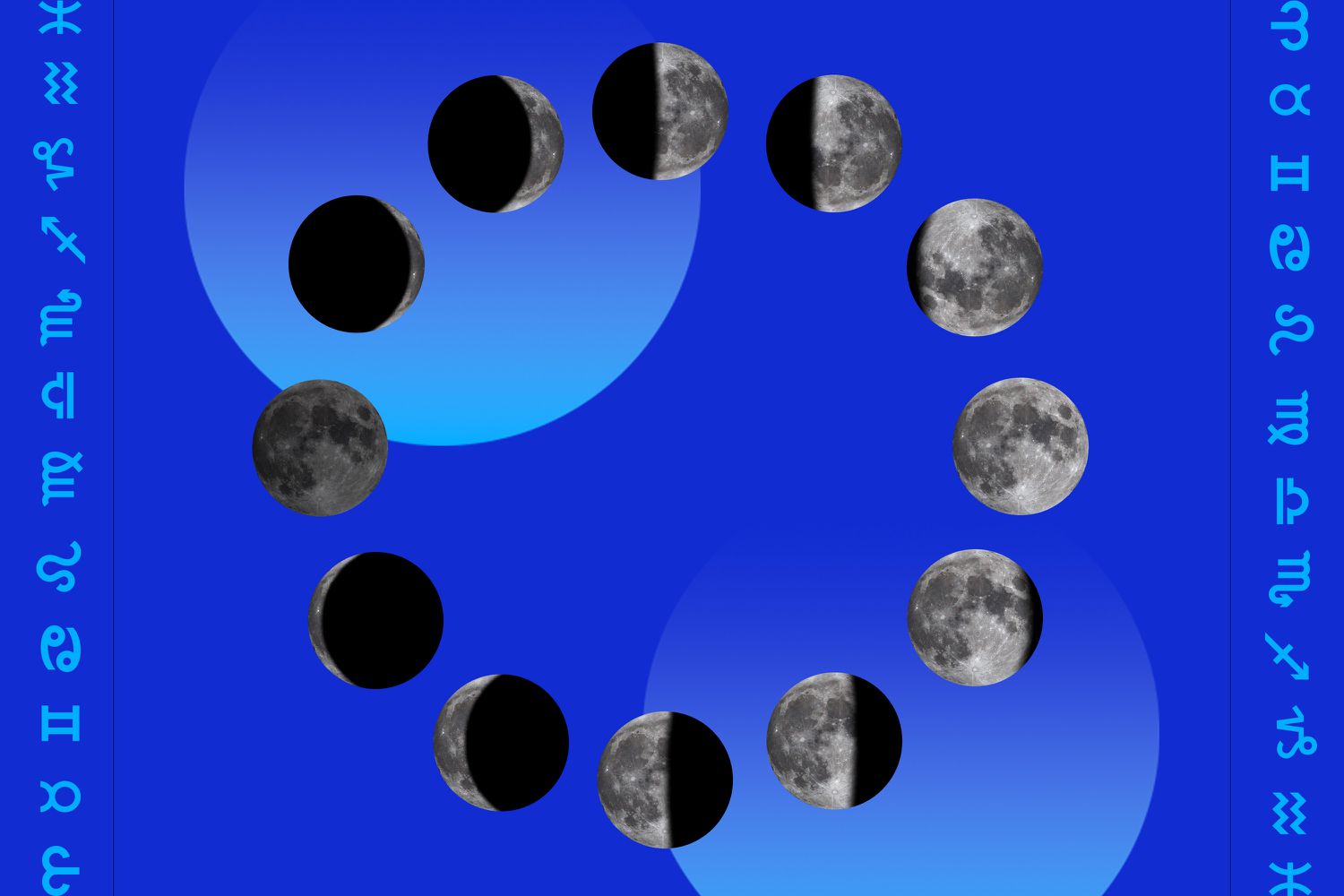
Start by identifying the visible shape of the moon each evening. The lunar cycle repeats roughly every 29.5 days, creating a predictable rhythm that can anchor your daily planning. You don't need complex astrology software; a simple calendar or a reliable weather app showing the lunar icon is sufficient to determine whether you are in a New, Waxing, Full, or Waning phase.
Each phase carries a distinct energetic quality that influences sleep and activity levels. The New Moon marks a time for rest and introspection, while the Full Moon often brings heightened alertness and disrupted sleep patterns due to increased nighttime illumination. The Waxing phases (growing light) are ideal for starting new projects, whereas the Waning phases (shrinking light) suit winding down and completing tasks.
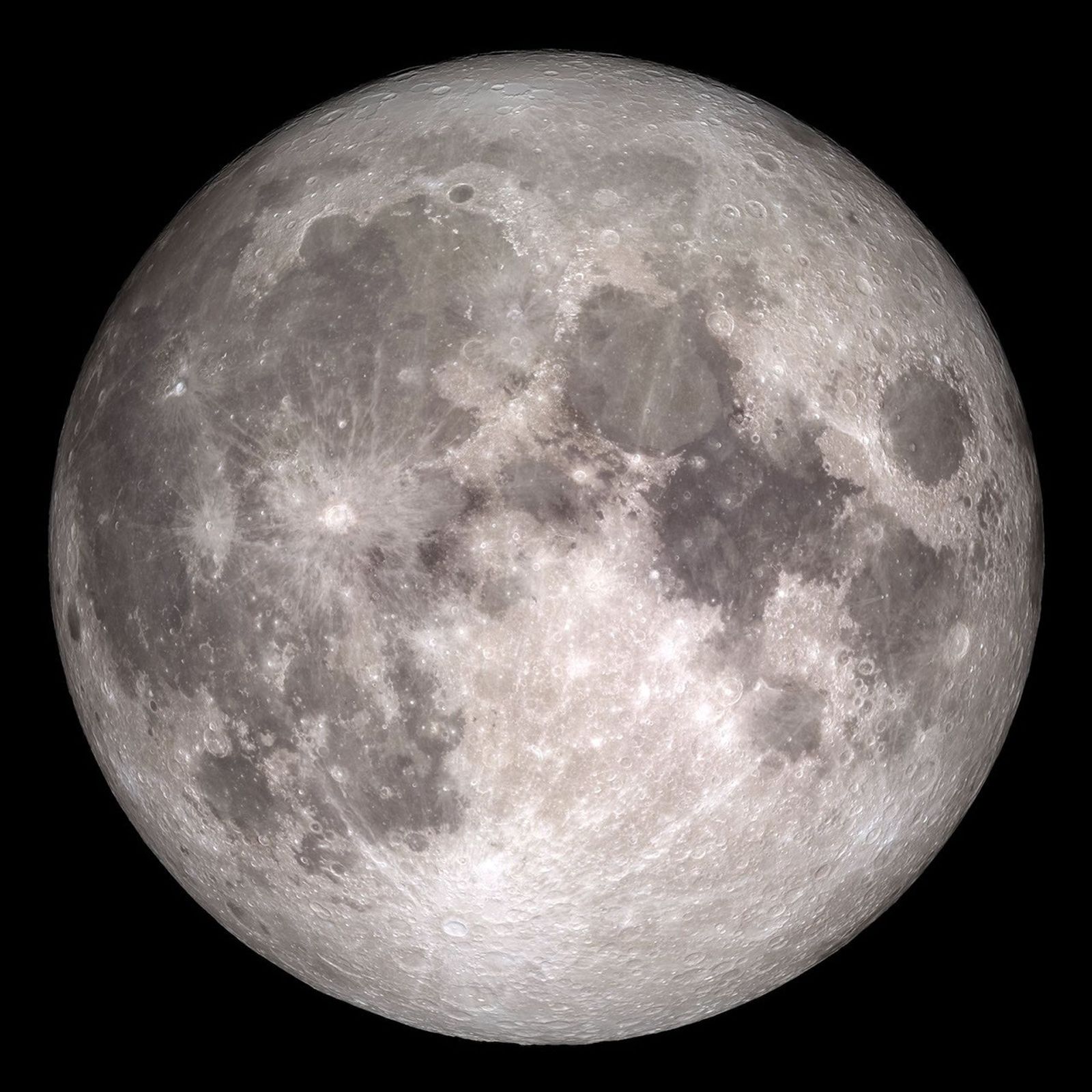
To ground this in observable reality, note that moonlight is the primary physical mechanism affecting nocturnal behavior. According to the Natural History Museum, the moon impacts life on Earth primarily through light, tides, and time. For your daily routine, the light factor is the most actionable: brighter nights can interfere with melatonin production, so dimming indoor lights during a Full Moon may help maintain your natural sleep cycle.
Align work tasks with moon cycles
Synchronizing your daily schedule with the moon’s phases can help manage energy levels and focus. Research suggests that the lunar cycle influences human physiology, particularly melatonin production and sleep patterns, which directly impact cognitive performance throughout the day. By treating the moon as a natural rhythm rather than a mystical force, you can structure your work to match your body’s natural highs and lows.
During the waxing moon (from New to Full) and the Full moon itself, natural light intensity increases. This period often correlates with higher energy and alertness. Use these days for demanding cognitive work, creative brainstorming, and complex problem-solving. Your body may naturally feel more active, making this the ideal window for tasks that require sharp focus and quick decision-making.
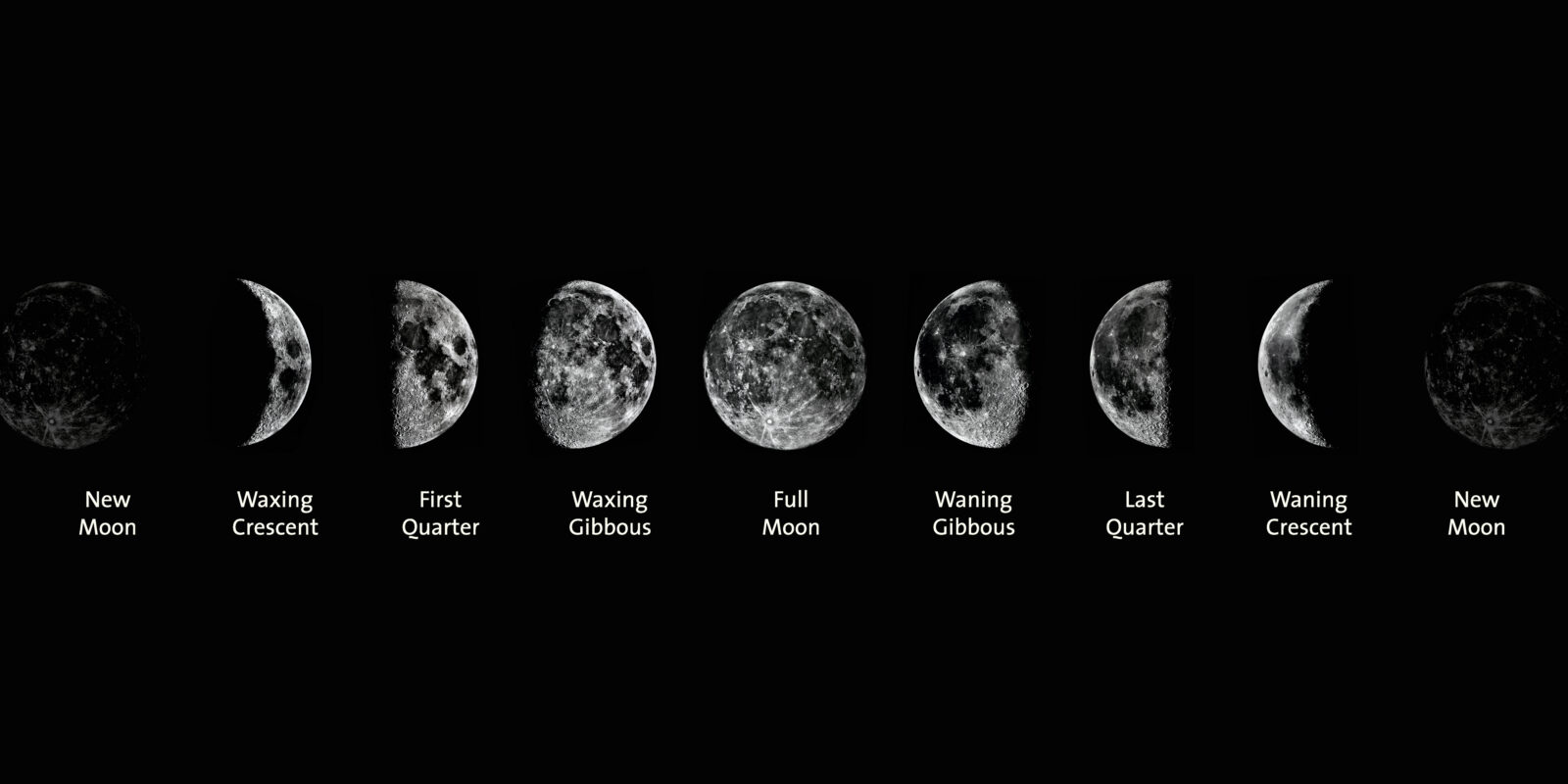
As the moon moves from Full to New (the waning phase), energy levels typically begin to dip. This is the perfect time for routine, administrative, or organizational tasks. Focus on clearing your inbox, filing reports, and planning for the upcoming week. The decreasing light signals a natural shift toward consolidation and review, allowing you to maintain productivity without forcing high-intensity output.
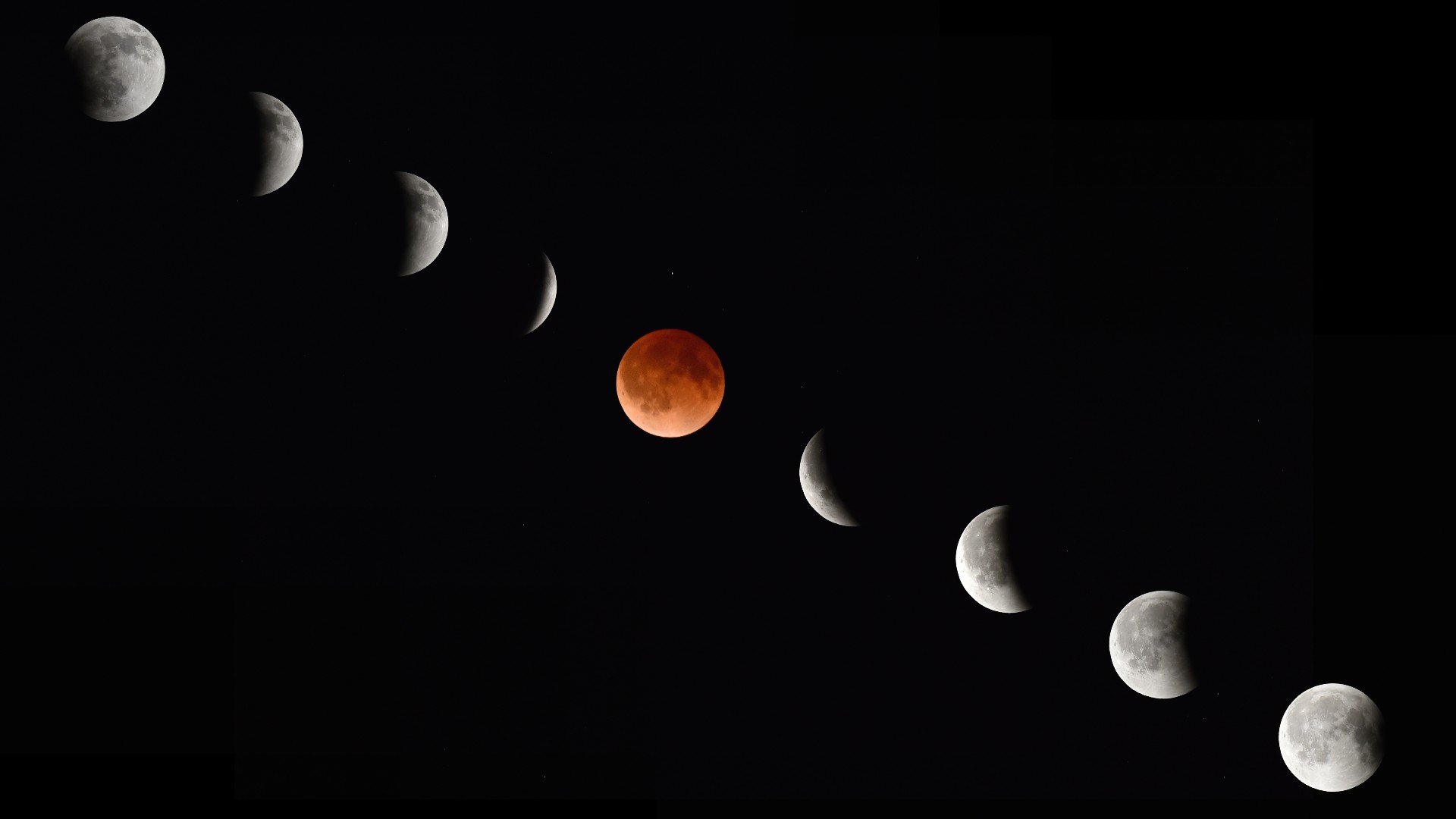
The New moon marks the end of the cycle and the beginning of rest. Melatonin levels often rise during this darker period, promoting better sleep and internal reflection. Avoid scheduling major projects or high-stakes meetings. Instead, use this time for deep rest, journaling, or low-stakes reading. Let your brain recover so you are ready to recharge when the light returns.
Checklist for weekly planning:
-
Identify the current moon phase in your calendar app.
-
Block out 2-3 hours for deep work during Waxing/Full days.
-
Schedule email and admin tasks during Waning days.
-
Reserve New moon days for rest and light planning.
Adjust sleep habits for moonlight
Research suggests moonlight can subtly affect melatonin production. Even small amounts of light can impact sleep depth. Studies published in journals like Current Biology have observed that participants tended to sleep for about 5 minutes less during the days leading up to a full moon, with sleep onset occurring later. While the effect is minor compared to artificial light, it is measurable and worth addressing if you are a light sleeper.
The primary culprit is not just the brightness of a full moon, but its duration. During the full moon phase, the moon rises at sunset and sets at sunrise, meaning it is visible throughout the entire night. Even a partially cloudy sky can reflect enough lunar light to penetrate standard window treatments, signaling your brain that it is still daytime.
To maintain your sleep routine, treat the full moon phase as a temporary shift in your environment. Use blackout curtains or a high-quality sleep mask to block external light. You can also adjust your bedtime slightly earlier during the week leading up to the full moon to account for the potential delay in sleep onset. Keeping your bedroom cool and dark will help your body produce melatonin effectively, regardless of the lunar cycle.
Use blackout curtains or a sleep mask to block lunar light. Even a sliver of moonlight can suppress melatonin. Ensure your curtains cover the entire window frame to prevent light leaks.
Shift your bedtime 15–30 minutes earlier during the week leading up to a full moon. This buffer helps compensate for the natural tendency to fall asleep later during this phase.
Track your sleep duration and depth for a few full moon cycles. Use a sleep tracker or journal to identify if you are consistently waking up earlier or feeling less rested during these weeks.
Monitor mood changes during cycles
Track your emotional baseline against the moon’s progression. While scientific consensus on the "lunar effect" remains debated, many people notice subtle shifts in energy and sleep quality during specific phases. The goal isn’t to blame the moon for bad moods, but to build self-awareness. By logging your feelings, you can distinguish between external influences and internal stressors.
Start by noting your energy levels each evening. Do you feel restless during the full moon or sluggish during the new moon? Keep a simple journal for one complete 29.5-day cycle. Look for patterns: are you more irritable, more creative, or simply more tired? This data turns vague intuition into a practical tool for managing your daily routine.
Use this awareness to adjust your habits rather than surrendering to fatalism. If you consistently feel overstimulated, plan quiet evenings during the full moon. If you crave closure, save difficult conversations for the waning phase. This approach grounds the practice in observable rhythms, helping you align your life with natural cycles without mystical jargon.
Common mistakes in lunar planning
Many people expect moon influence to cause immediate, dramatic shifts in their mood or productivity, similar to a weather front moving through town. This expectation often leads to frustration when the subtle biological rhythms remain unnoticed. The moon’s effect on human circadian rhythms is gradual, not instantaneous. It operates more like a slow tide than a sudden storm, requiring consistent observation over weeks rather than days to detect meaningful patterns.
Another frequent error is ignoring the gradual nature of the lunar cycles. Just as you wouldn’t expect a plant to grow overnight, expecting a complete routine overhaul during a single full moon is unrealistic. The lunar cycle spans roughly 29.5 days, meaning each phase contributes incrementally to your body’s internal clock. Successful alignment involves small, consistent adjustments to sleep times and activity levels rather than drastic changes based on a single night’s phase.
Finally, avoid treating the moon as a standalone driver of behavior. While lunar cycles can modulate energy levels and sleep patterns, they interact with other environmental factors like artificial light, stress, and diet. Isolating the moon’s influence without accounting for these variables often leads to incorrect conclusions. Track your sleep and energy levels alongside the lunar phase to identify your personal response patterns.
Questions about moon influence
Understanding how lunar cycles interact with your daily routine requires separating measurable biological rhythms from cultural myths. While the moon’s gravitational pull drives tides and its light affects sleep patterns, its influence on human behavior is subtle rather than deterministic.
Does moonlight affect my sleep?
Yes, but indirectly. Research indicates that brighter moonlight can suppress melatonin production, potentially delaying sleep onset. During a full moon, natural light levels at night are higher, which may shift your circadian rhythm slightly. Keeping your bedroom dark helps maintain consistent sleep quality regardless of the lunar phase.
Is there a link between the lunar cycle and menstruation?
Some studies suggest a correlation between the 29.5-day lunar cycle and the average menstrual cycle. However, this alignment is not universal. The similarity in duration may be coincidental or influenced by shared environmental light cycles rather than direct gravitational force. Tracking your own cycle remains the most reliable method for understanding your body.
Do full moons change human behavior?
The "lunar effect" on behavior, such as increased aggression or hospital admissions, has been widely studied but lacks consistent scientific evidence. Most large-scale reviews find no significant link between moon phases and human mental health or erratic behavior. Any perceived changes are likely due to confirmation bias or the cultural narratives surrounding full moons.
No comments yet. Be the first to share your thoughts!