

Spot the current moon phase
You can identify today's Lunar Phases by looking at the shape of the illuminated part of the Moon or by checking a reliable calendar. The Moon cycles through eight distinct stages as it orbits Earth, changing how much sunlight reflects off its surface from our viewpoint.
Look at the Moon's shape
Step outside and note the curve of the lit portion. If the right side is lit and growing, it is waxing. If the left side is lit and shrinking, it is waning. A completely dark sky means a New Moon, while a full circle indicates a Full Moon.
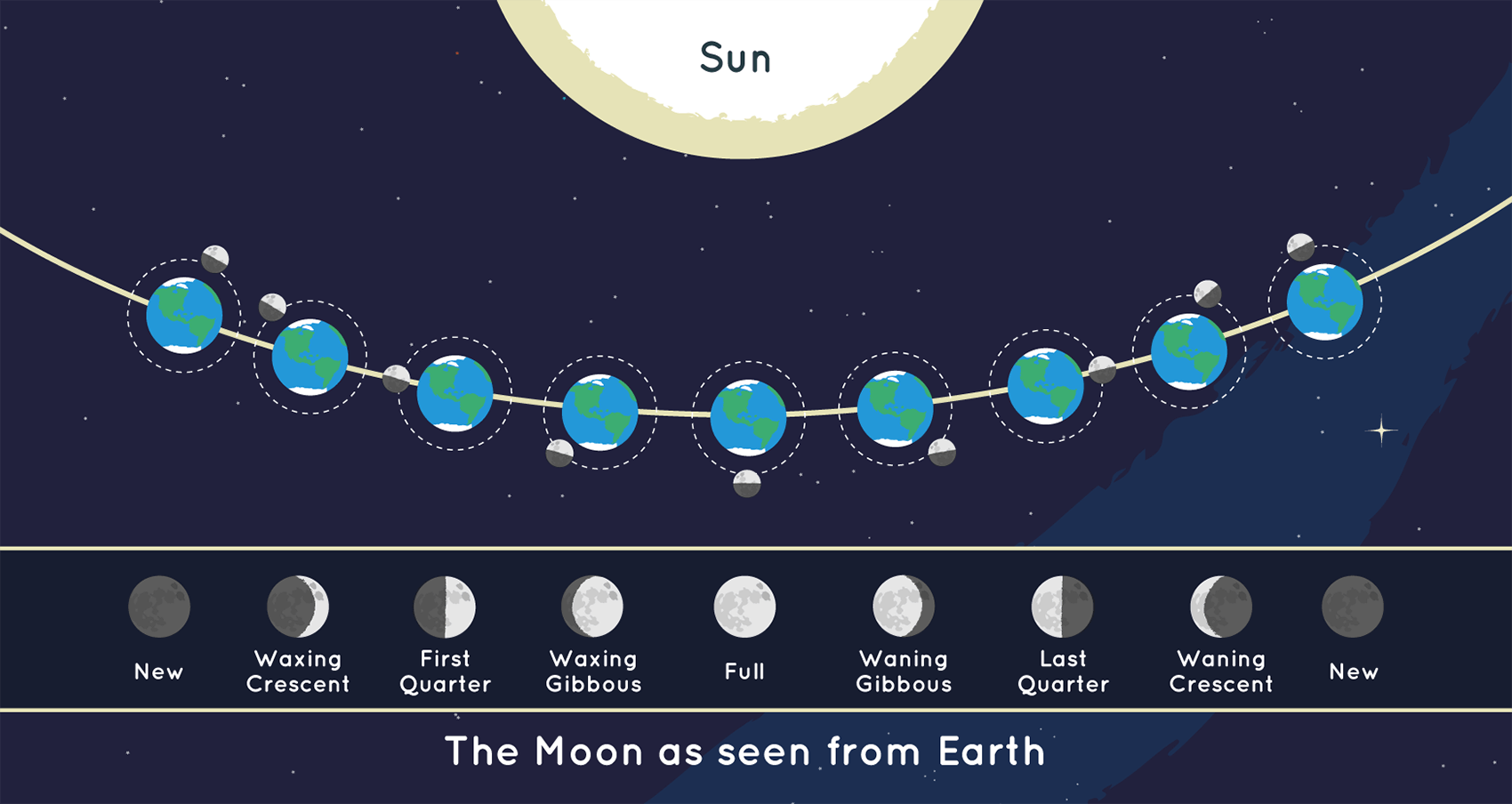
Determine if the light is on the right (waxing) or left (waning). This tells you if the Moon is moving toward or away from being full.
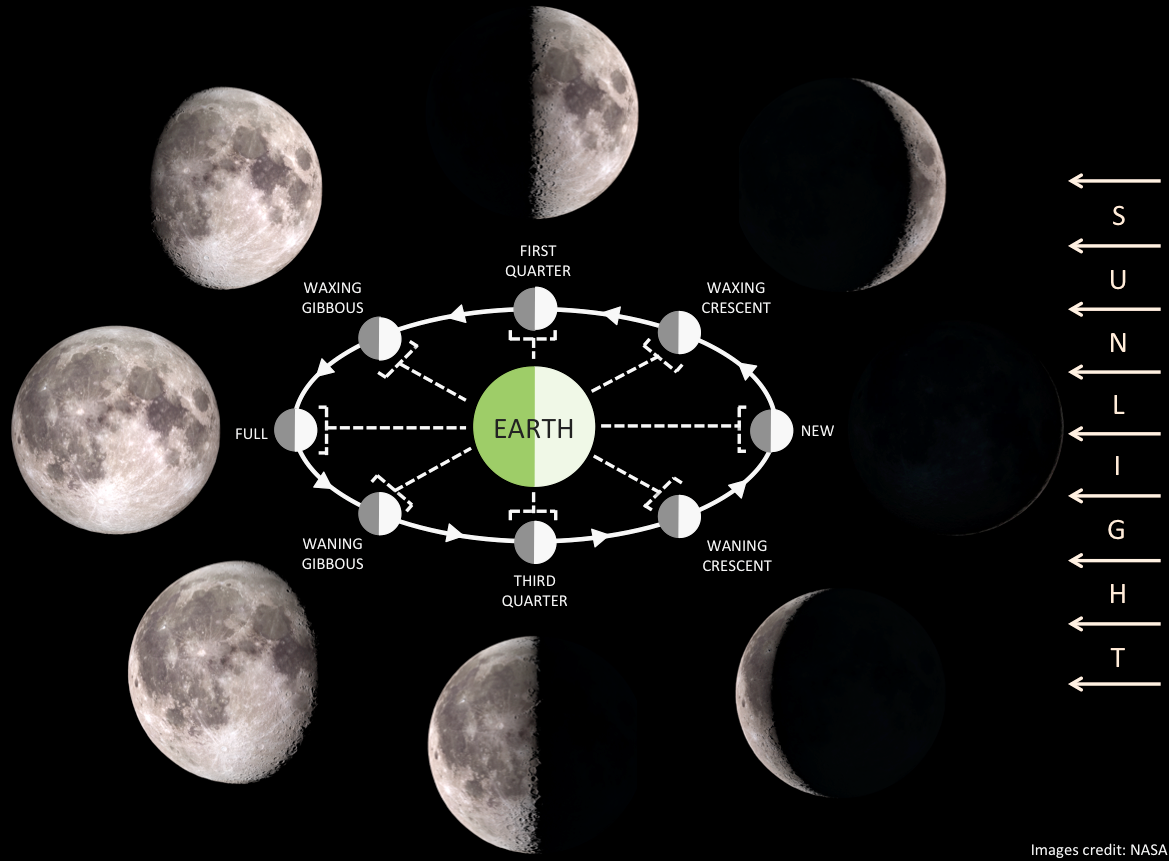
A straight line indicates a Quarter Moon. A thin sliver is a Crescent. A full circle is a Full Moon. A completely dark disk is a New Moon.
Use a trusted source like Time and Date or a dedicated lunar app to confirm your visual observation. Calendars provide the exact phase name and percentage of illumination for precision.
Use a lunar calendar
For exact accuracy, consult a lunar calendar. These resources track the Moon's position relative to the Sun and Earth, giving you the precise phase name, such as "Waxing Gibbous" or "Waning Crescent." This is especially helpful during cloudy weather when visual identification is impossible.
Map the four key lunar milestones
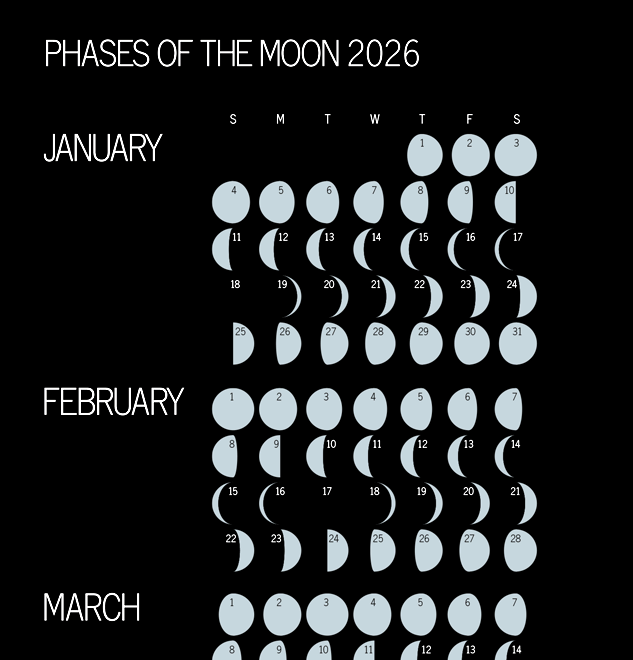
Tracking the Lunar Phases in 2026 requires understanding the four primary stages that mark the moon’s monthly cycle. These milestones—New Moon, First Quarter, Full Moon, and Last Quarter—represent distinct shifts in visibility and orbital position relative to Earth and the Sun. While astronomers often track eight nuanced phases for precision, the four primary milestones provide the essential framework for anticipating lunar changes throughout the year.
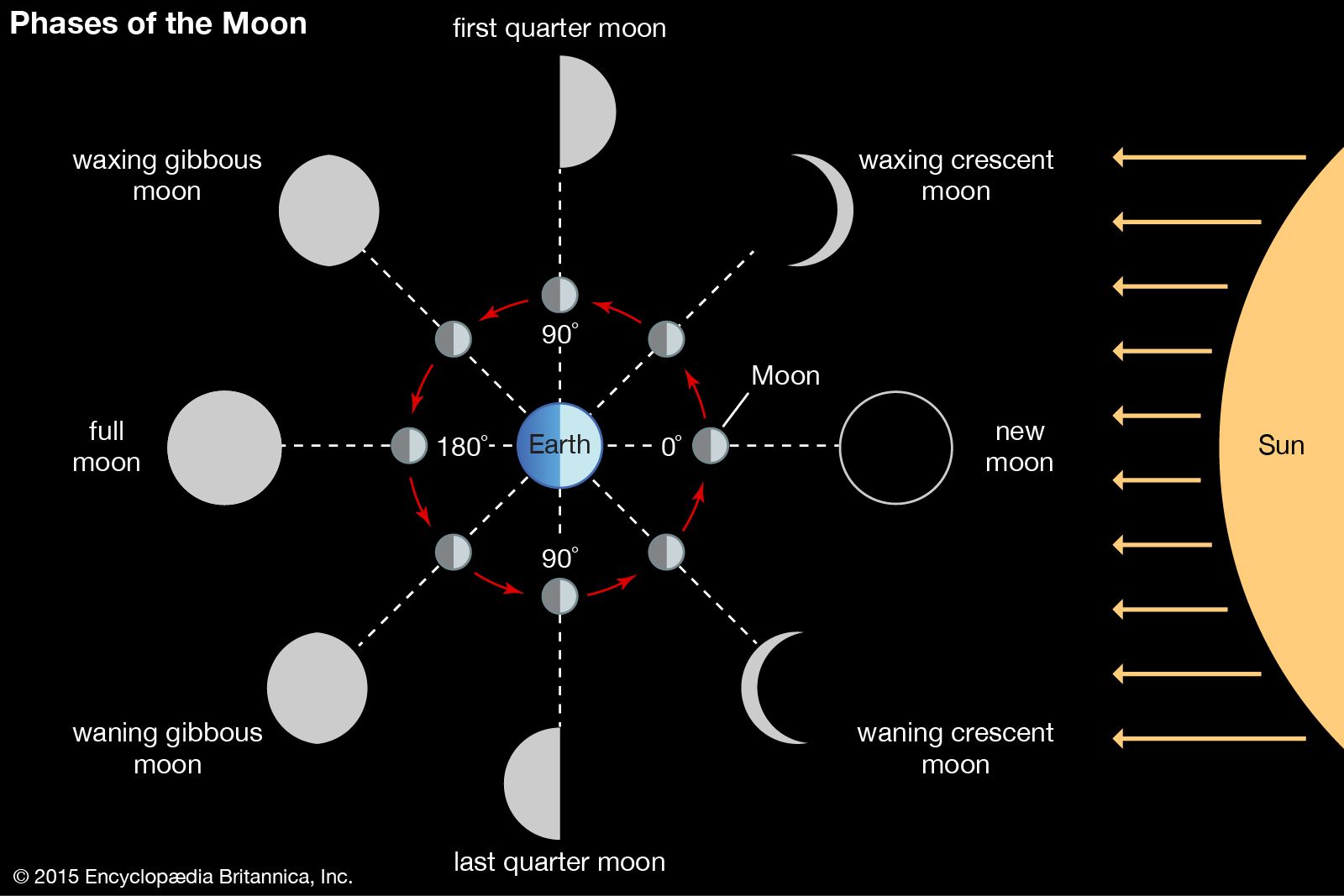
The cycle begins with the New Moon, a time when the moon sits between Earth and the Sun, rendering it invisible from our perspective. This marks the start of the 29.5-day synodic month. Following the New Moon, the moon enters the waxing phases, gradually increasing in illuminated surface area until it reaches the First Quarter. At this milestone, exactly half of the moon’s disk is illuminated, signaling the first major shift in the cycle.
As the moon continues its orbit, it grows into a Waxing Gibbous phase before reaching the Full Moon. This is the most recognizable milestone, occurring when Earth lies between the Sun and the Moon, allowing the entire face to be illuminated. After the Full Moon, the cycle enters the waning phases, decreasing in brightness until it reaches the Last Quarter. Here, the opposite half of the disk is lit compared to the First Quarter, indicating the moon is returning to its New Moon starting point. Understanding these four anchor points allows you to easily track the Lunar Phases in 2026 without needing to memorize every minor transition.
Watch for 2026 lunar eclipses
Lunar eclipses are the most dramatic events in the lunar calendar, intensifying the energy of standard Lunar Phases. These events only occur during a Full Moon or a New Moon when the Sun, Earth, and Moon align perfectly. Because the geometry must be exact, eclipses are rare compared to regular monthly phases.
The first major event of the year is a partial lunar eclipse on March 3, 2026. During this phase, the Earth’s shadow begins to cover part of the Moon, creating a visible dark bite out of the lunar disk. This is followed by a total lunar eclipse on August 28, 2026, where the entire Moon passes through the Earth’s umbra, often turning a deep red color. This "Blood Moon" phase is a powerful marker in the Lunar Phases cycle, signaling a time of heightened visibility and emotional release.
Later in the year, a partial solar eclipse occurs on February 17, 2026, and another on August 12, 2026. While solar eclipses hide the Moon, they mark significant shifts in the Lunar Phases narrative. Tracking these dates helps you anticipate periods of intense cosmic activity that go beyond the standard waxing and waning rhythm.
Align your routine with the cycle
You can use the Lunar Phases as a natural rhythm for your week. Instead of fighting against the light, match your energy to the moon’s cycle. This simple shift helps you rest when you should and act when you have momentum.
The cycle repeats every 29.5 days. It moves from new to full, then back to new again. You don’t need complex calculations. Just check a calendar and plan your week around the four main stages.
The new moon is dark and quiet. Use this time for planning and setting intentions. It is the best week for brainstorming, writing, or organizing your goals. Avoid starting heavy physical projects. Let your ideas take root before you build them.
Half the moon is lit. This is the time for action. Start the projects you planned during the new moon. Push through roadblocks and make decisions. The energy is rising, so use it to get things done. This is not the time to wait for permission.
The moon is fully bright. This is peak energy. Finish what you started. Share your work with others. The full moon is great for public events, launches, or social gatherings. Be careful not to overcommit. You have high energy, but it can burn out quickly if you don’t pace yourself.
The light begins to fade. This is the waning phase. Step back from big projects. Focus on cleanup, reflection, and rest. Let go of tasks that no longer serve you. This is the time to recharge your batteries so you are ready for the next new moon.
Using the Lunar Phases this way turns your calendar into a living system. You stop forcing productivity when your body wants rest, and you stop resting when you have the drive to work. It is a simple tool for a busy life.
-
Check the moon phase for today
-
Plan one big project for the waxing weeks
-
Schedule rest days during the waning weeks
-
Review your progress at the full moon
Check common tracking mistakes
Tracking lunar phases in 2026 requires a clear eye and a steady hand. Even experienced observers stumble over the same basic errors. Correcting these misconceptions ensures your records match the sky.
Confusing waxing and waning
The direction of light growth is the most frequent mix-up. Waxing means the illuminated portion is growing. Waning means it is shrinking. A simple mnemonic helps: if the moon looks like a "D," it is waxing. If it looks like a "C," it is waning. This applies to the Northern Hemisphere. In the Southern Hemisphere, the shapes are reversed. Always verify the hemisphere before logging a phase.
Ignoring the 29.5-day cycle
The moon does not reset on a standard calendar month. The synodic cycle lasts approximately 29.5 days. This extra half-day causes the phases to drift earlier each month. If you ignore this drift, your predicted full moon will miss the actual event by days. Use a dedicated lunar calendar or app that accounts for the synodic period rather than a standard Gregorian calendar.
Mistaking the quarter for half
"First Quarter" and "Last Quarter" do not mean the moon is half-illuminated. They refer to the moon's position in its orbit, not its visual shape. At the quarter phases, the moon appears as a perfect semicircle, but technically, exactly 50% of the visible disk is lit only at the exact moment of the quarter. By the time you see the half-moon, the phase has technically passed. Track the exact astronomical time for precision, not just the visual appearance.
Frequently asked questions about lunar phases
Here are answers to common questions about tracking Lunar Phases, including niche terms and real-time moon status.
No comments yet. Be the first to share your thoughts!